Your Essential Roseville Guide: Sightseeing, Dining & Living
Quick Answer
**Roseville offers a perfect blend of charming neighborhoods, diverse dining options, and scenic sightseeing just 20 miles from Sacramento.** From exploring historic downtown spots to enjoying local parks and top-rated restaurants, residents and visitors experience a vibrant lifestyle. For families capturing milestones in the Greater Sacramento area, Tiny Dreamers Studio in nearby Citrus Heights offers expert newborn and family photography to preserve your memories beautifully.
Looking for comprehensive information about Roseville, California? This expert guide covers everything you need to know about living in or visiting Roseville, from cost of living and safety to schools, jobs, and neighborhoods. Whether you’re considering relocating or planning a visit, discover what makes this Northern California city one of the most desirable places to live in the Sacramento metropolitan area.
Quick Facts About Roseville, California
- Population: 154,817 (2022) – Most populous city in Placer County
- Location: 20 miles northeast of Sacramento, elevation 164 feet
- Climate: Mediterranean climate with 247 sunny days annually
- Safety Rating: 12% lower crime rate than national average
- Median Home Price: $639,000 (2025)
- Top Employers: Kaiser Permanente, Sutter Health, Hewlett Packard Enterprise
About Roseville: Sacramento’s Premier Suburb
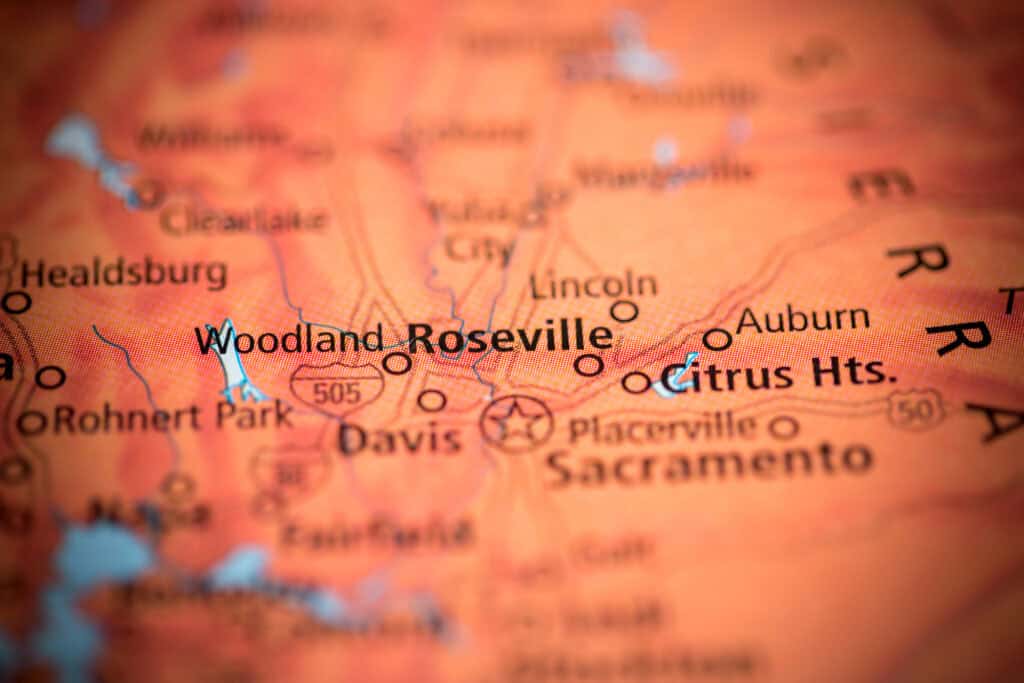
Roseville, California stands as the crown jewel of Placer County and a cornerstone of the Sacramento metropolitan area. With a population of 154,817 as of 2022, this vibrant city has evolved from its humble beginnings as a railroad town into one of Northern California’s most sought-after residential destinations.
Located at coordinates 38°45’9″N 121°17’22″W, Roseville sits at an elevation of 164 feet, offering residents and visitors stunning views of the surrounding landscape. The city’s strategic position, just 20 miles northeast of Sacramento, provides the perfect balance of suburban tranquility and urban accessibility.
Historical Foundation and Railroad Heritage
Roseville’s rich history dates back to its origins as Griders, a stagecoach station that served travelers in the mid-1800s. The transformative moment came in 1864 with the arrival of the Central Pacific Railroad, which established Roseville as a crucial railroad hub. This railroad heritage became even more significant in 1906 when the Southern Pacific Railroad relocated its facilities from Rocklin to Roseville, cementing the city’s importance in regional transportation.
The city was officially incorporated on April 10, 1909, marking the beginning of its journey toward becoming the thriving community it is today. The Roseville Historical Society, established in the early 1980s, continues to preserve this rich heritage, with notable contributions from historians like Leonard Duke Davis and lifelong resident Phoebe Astill, whose family pioneered the area.
Cost of Living in Roseville: What to Expect in 2025
Understanding the cost of living is crucial for anyone considering a move to Roseville. According to recent data, Roseville’s cost of living is approximately 20-21% higher than the national average, placing it among the more expensive cities in California, though still more affordable than many Bay Area communities.
Housing Costs and Real Estate Market
Housing represents the largest expense for Roseville residents, with costs running 85% higher than the national average. The median home value in Roseville is $639,000, significantly above the national average of $370,489. However, this investment often pays dividends in terms of quality of life and property appreciation.
For renters, the average monthly rent is approximately $2,288, with variations based on property type and location within the city. The rental market shows a healthy balance, with 68% of households being owner-occupied and 32% renter-occupied, providing options for different lifestyle preferences and financial situations.
Homes in Roseville typically sell within 35 days on the market, indicating a robust and active real estate market. This quick turnover reflects the high demand for housing in this desirable location.
Utilities and Transportation Costs
Utility costs in Roseville run approximately 43% higher than the national average, reflecting California’s generally higher energy costs. Transportation expenses also exceed national averages, though the city’s excellent infrastructure and public transit options help offset some of these costs.
Safety and Crime Statistics: Why Roseville Ranks High
Safety consistently ranks as one of Roseville’s strongest selling points. The city maintains crime rates that are 12% lower than the national average, earning it a safety grade of C+ and making it one of the safer communities in California.
Violent Crime Statistics
Violent crime in Roseville is remarkably low, running 55.8% below the national average. Residents have only a 1 in 408 chance of becoming a victim of violent crime, including rape, robbery, assault, or murder. This statistic places Roseville well above average for community safety.
Property Crime and Community Safety
Property crime rates are 3.6% lower than the national average, with residents having a 1 in 68 chance of experiencing property crime. The Roseville Police Department maintains high visibility and responsiveness, with 70% of residents rating local police as very visible and responsive to community needs.
Community sentiment reflects these positive statistics, with 61% of residents feeling “pretty safe” and 26% feeling “very safe” in their neighborhoods. This strong sense of security contributes significantly to Roseville’s appeal for families and individuals alike.
Education Excellence: Schools and Academic Opportunities
Roseville’s commitment to education excellence makes it particularly attractive to families. The city is served by two highly-regarded public school districts that consistently deliver quality education across all grade levels.
Public School Districts
The Roseville City School District serves elementary and middle school students, while the Roseville Joint Union High School District handles high school education. Both districts are known for their diversity and commitment to academic excellence, with schools consistently ranking in the top percentiles statewide.
Notable schools include Granite Bay High School, which ranks #75 in California with a 96% graduation rate, and Oakmont High School, another top performer in the district. Elementary schools like Junction Elementary and Diamond Creek Elementary also receive high ratings from parents and education professionals.
Private and Higher Education Options
For families seeking private education, Roseville offers excellent options including St. Rose Catholic School. Higher education opportunities include Brandman University’s Roseville campus and Sierra College’s extension campus, providing accessible pathways for continuing education and professional development.
Employment and Economic Opportunities
Roseville’s diverse economy provides abundant employment opportunities across multiple sectors, making it an attractive destination for professionals at all career stages.
Major Employers and Industries
Healthcare dominates Roseville’s employment landscape, with major employers including Kaiser Permanente Roseville Medical Center, Sutter Roseville Medical Center Foundation, and medical device company Penumbra. These healthcare giants provide thousands of jobs ranging from clinical positions to administrative and support roles.
The retail sector thrives with major employers like Costco Wholesale and Walmart Supercenter, reflecting Roseville’s position as a regional shopping destination. Technology companies including Hewlett Packard Enterprise, Revature, ClearCaptions, PASCO Scientific, and Telestream offer opportunities in information technology and innovation.
Job Market Trends
With over 22,000 job listings typically available in the Roseville area, the employment market remains robust. The average household income ranges from $80,000 to $100,000, providing comfortable living standards for most residents. The city’s proximity to Sacramento also opens additional employment opportunities in government and related sectors.
Climate and Weather: Year-Round Comfort
Roseville enjoys a Mediterranean climate that contributes significantly to its quality of life. With 247 sunny days annually and minimal precipitation, the weather supports an active outdoor lifestyle year-round.
Seasonal Weather Patterns
Daily high temperatures range from a comfortable 53°F (12°C) in January to 94°F (34°C) in July, while daily lows span from 39°F (4°C) in winter to 61°F (16°C) in summer. The wet season runs from October through April, bringing most of the area’s 20.45 inches of annual rainfall.
Summer months from June to September are characterized by hot, dry conditions with temperatures occasionally exceeding 105°F (41°C). However, the low humidity makes these temperatures more comfortable than similar conditions in more humid climates. Snow is extremely rare, occurring perhaps once every several years.
Neighborhoods and Communities
Roseville’s diverse neighborhoods offer something for every lifestyle preference, from family-oriented communities to active adult developments.
East Roseville Highlights
Highland Reserve stands out as one of East Roseville’s most desirable neighborhoods, featuring beautiful homes within walking distance of downtown amenities. The area combines suburban comfort with urban convenience, making it popular among young professionals and families.
West Roseville Communities
Woodcreek Oaks exemplifies West Roseville’s family-friendly atmosphere, offering abundant parks, quality schools, and a strong sense of community. The neighborhood features the Roseville Aquatic Complex, providing residents with excellent recreational facilities including pools and water slides.
Recreation and Outdoor Activities
Roseville’s commitment to recreation and outdoor activities enhances the quality of life for residents and provides numerous attractions for visitors.
Parks and Natural Areas
Folsom Lake State Recreation Area offers extensive opportunities for picnicking, boating, swimming, fishing, hiking, and wildlife viewing. Beals Point provides beaches, boat launches, camping facilities, and scenic trails, while Browns Ravine offers similar amenities with additional docking facilities.
Within the city, Royer Park features picnic areas, playgrounds, a Children’s Art Center, softball fields, and a community center. Maidu Regional Park offers similar amenities with additional sports fields and community programming.
Shopping and Retail Excellence
Roseville’s retail scene ranks among California’s best, with total retail sales of $4.87 billion in 2017, placing the city 13th statewide. This robust retail environment provides residents with exceptional shopping options and contributes significantly to the local economy.
Westfield Galleria at Roseville
The Westfield Galleria serves as a premier shopping destination, offering an extensive array of retail outlets, dining options, and entertainment venues. From high-end fashion to everyday necessities, the mall caters to diverse shopping preferences and budgets.
The Fountains at Roseville
This outdoor shopping center combines retail therapy with community engagement, featuring trendy boutiques, popular chain stores, and diverse dining experiences. The Fountains regularly hosts community events, live music, and seasonal celebrations that bring residents together.
Dining Scene and Culinary Experiences

Roseville’s culinary landscape reflects the city’s diversity and sophistication, offering everything from casual family dining to upscale culinary experiences.
Notable Restaurants
Q1227 Restaurant has earned recognition for its refined comfort food and innovative culinary creations. Sienna Restaurant Roseville offers upscale-casual dining with premium steaks, fresh seafood, and wood-fired flatbreads, complemented by inviting outdoor patios and private dining options.
La Huaca provides authentic Peruvian cuisine, adding international flair to Roseville’s dining scene. These establishments, along with numerous other restaurants, create a culinary environment that satisfies diverse tastes and occasions.
Transportation and Accessibility
Roseville’s strategic location and comprehensive transportation infrastructure make it easily accessible and well-connected to the broader Sacramento region.
Highway Access
Major highways including Interstate 80 and State Route 65 intersect in Roseville, providing direct access to Sacramento, the Bay Area, and the Sierra Nevada mountains. This highway network makes commuting and regional travel convenient for residents.
Public Transportation
Public bus services and light rail systems facilitate local transportation, while Amtrak provides rail connections to various destinations throughout California and beyond. Despite these public options, most residents find that owning a car provides the greatest convenience for navigating the area.
Frequently Asked Questions About Roseville, California
Is Roseville, California expensive to live in?
Roseville has a cost of living that is 20-21% higher than the national average, with housing costs being 85% higher than national average. The median home price is around $639,000, while average rent is approximately $2,288 per month. While more expensive than many U.S. cities, it remains more affordable than many Bay Area communities while offering excellent quality of life.
Is Roseville, CA a safe place to live?
Yes, Roseville is considered very safe with crime rates 12% lower than the national average. Violent crime is 55.8% lower than national average, with residents having only a 1 in 408 chance of becoming a victim of violent crime. Property crime is also 3.6% lower than national average, and 87% of residents feel safe in their community.
What is Roseville, California known for?
Roseville is known for excellent shopping centers like Westfield Galleria and The Fountains, strong family-friendly communities, top-rated schools, proximity to Sacramento, and its historic railroad heritage. The city is also recognized for its Mediterranean climate, outdoor recreation opportunities, and being one of the safest cities in California.
What are the best neighborhoods in Roseville?
Highland Reserve in East Roseville is highly desirable for its beautiful homes and proximity to downtown. Woodcreek Oaks in West Roseville is excellent for families, offering parks, quality schools, and community amenities. Both neighborhoods provide different lifestyle options while maintaining Roseville’s high quality of life standards.
How is the job market in Roseville?
Roseville has a strong job market with over 22,000 available positions typically listed. Major employers include Kaiser Permanente, Sutter Health, Hewlett Packard Enterprise, Costco, and various technology companies. The average household income ranges from $80,000-$100,000, and proximity to Sacramento provides additional employment opportunities.
What is the weather like in Roseville year-round?
Roseville enjoys a Mediterranean climate with 247 sunny days annually. Daily highs range from 53°F in January to 94°F in July, while lows range from 39°F in winter to 61°F in summer. The city receives about 20.45 inches of annual rainfall, mostly between October and April. Snow is extremely rare.
Are the schools good in Roseville?
Yes, Roseville has excellent schools. The city is served by Roseville City School District (K-8) and Roseville Joint Union High School District. Granite Bay High School ranks #75 in California with a 96% graduation rate. Many elementary and middle schools also receive high ratings, making Roseville very attractive to families.
How far is Roseville from Sacramento?
Roseville is located approximately 20 miles northeast of Sacramento, making it easily accessible via Interstate 80 and State Route 65. The drive typically takes 25-35 minutes depending on traffic conditions, making it convenient for commuting to Sacramento for work or entertainment.
What are the best things to do in Roseville?
Popular activities include shopping at Westfield Galleria and The Fountains, outdoor recreation at Folsom Lake State Recreation Area, visiting local parks like Maidu Regional Park, dining at excellent restaurants, and attending community events. The city also offers easy access to Sierra Nevada mountains for hiking and skiing.
Is Roseville good for families?
Absolutely. Roseville is exceptionally family-friendly with 71% of households being married couples and 23% of the population under 18. The city offers excellent schools, safe neighborhoods, abundant parks and recreational facilities, family-oriented community events, and a strong sense of community that makes it ideal for raising children.
Conclusion: Why Choose Roseville, California
Roseville, California represents the ideal balance of suburban comfort and urban convenience. With its excellent schools, safe neighborhoods, robust job market, pleasant climate, and strong sense of community, the city offers an exceptional quality of life for residents of all ages.
While the cost of living is higher than national averages, the investment pays dividends in terms of safety, education, recreation, and overall life satisfaction. Whether you’re a young professional starting your career, a family seeking the best environment for your children, or retirees looking for an active and engaging community, Roseville provides the foundation for a fulfilling lifestyle.
From its historic railroad heritage to its modern amenities and forward-thinking community planning, Roseville continues to evolve while maintaining the qualities that make it one of Northern California’s most desirable places to call home.
About the Author
Bree Wright is a professional photographer and local expert based in Roseville, California. As the founder of Tiny Dreamers Studio, she specializes in capturing the beauty and essence of Northern California communities. With years of experience documenting Roseville’s neighborhoods, events, and lifestyle, Bree provides insider knowledge and expert insights about living in this vibrant city. Her work as a Roseville photographer has given her unique access to the community’s hidden gems and local culture, making her an authoritative voice on what makes Roseville special.
Last updated: June 2, 2025